






Over the last few years, mutual funds in India have moved from the margins of household finance to the centre of most long-term money conversations. What earlier sounded technical or meant only for experts now shows up in office chai breaks, family WhatsApp groups and college finance clubs. This shift has been driven by higher disposable incomes, the spread of digital platforms and a steady regulatory push toward simpler, more transparent products.
From parking surplus to building long term wealth
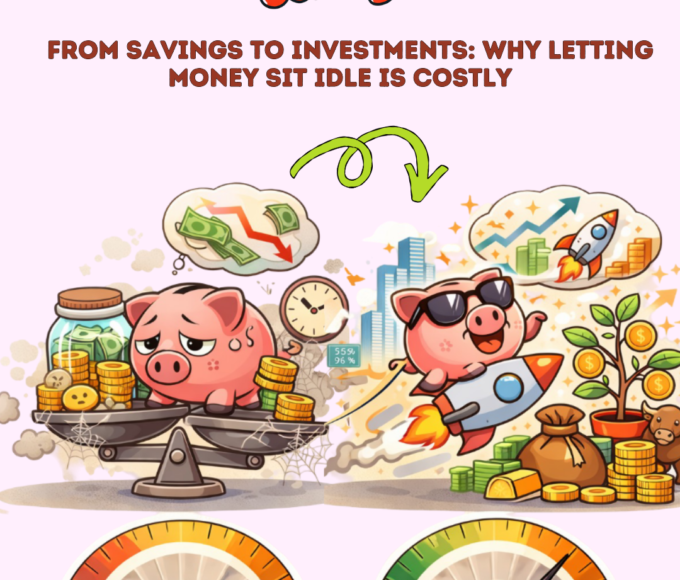
A decade ago many investors treated mutual funds as a place to park surplus cash for tax benefits or to earn a bit more than a fixed deposit. The focus was largely on short term returns. Today the vocabulary has changed. People talk about SIPs, target corpus, retirement planning and goal-based investing. Mutual funds are increasingly used as the main vehicle to fund long dated goals such as education, home purchase and retirement rather than as a peripheral add on. This gradual move from ad hoc investing to systematic wealth creation is one of the most important behavioural shifts in Indian finance.
Regulatory reforms that changed industry behaviour
Regulation has nudged the industry away from product clutter toward clarity and comparability. Category rationalisation forced fund houses to define mandates more sharply and reduced the confusion of multiple similar schemes. Stricter norms on disclosure, risk labels and total expense ratios have made it easier for investors to see what they are paying for and what risks they are taking. At the same time, digital reforms such as online KYC, paperless onboarding and easy switching have lowered friction and pushed distribution to compete more on performance, cost and suitability than on pure relationship driven sales.
Where investor money is flowing
As the market has matured, investor preferences have become more segmented. Diversified equity funds remain the primary engine for long term compounding, especially large cap and flexi cap strategies that mirror broad corporate earnings growth while keeping single stock risk under control. Hybrid funds such as balanced advantage and other equity debt combinations have emerged as a middle path for investors who want equity participation but are uncomfortable with full equity volatility. Low cost passive products such as index funds and ETFs that track benchmarks like the Nifty 50 and Nifty 500 are gaining traction among younger, fee sensitive investors who are comfortable owning the market instead of relying only on active fund managers.
Frictions and fault lines
Despite this progress, several structural frictions remain. A large part of household wealth is still concentrated in low yield deposits, gold and real estate. Many first-time investors enter mutual funds with expectations anchored to recent bull markets, which makes sharp drawdowns hard to digest emotionally. Incentives for distributors and advisers do not always line up perfectly with investors interests, particularly in regions where financial awareness is limited. Episodes of credit stress in debt funds and sharp equity corrections continue to test the industry’s ability to explain risk clearly and maintain investor trust.
The road ahead for India’s mutual funds
Looking ahead, mutual funds are well placed to become the default chassis for Indian household portfolios rather than just one of many options. As SIP books deepen, retirement oriented and goal linked solutions become more sophisticated and digital advisory platforms scale up, the industry will need to balance innovation with simplicity and cost discipline. The next phase of growth will be judged less by total assets under management and more by the quality and consistency of investor experience across market cycles. If fund houses, distributors and regulators can keep products understandable, align incentives and remind investors that volatility is the price of long-term compounding, mutual funds will remain central to India’s journey from a savings led economy to one that genuinely focuses on investment and wealth creation.









Leave a comment